
Retaining Wall Construction Cost in Uttarakhand: What Hill-Slope Plots Actually Need
On a slope, a retaining wall is structural, not cosmetic — and one of the easiest things to underbudget. Stone vs RCC, drainage, and what actually drives the cost.
Rajwar Construction
Nainital · Bhimtal · Bhowali
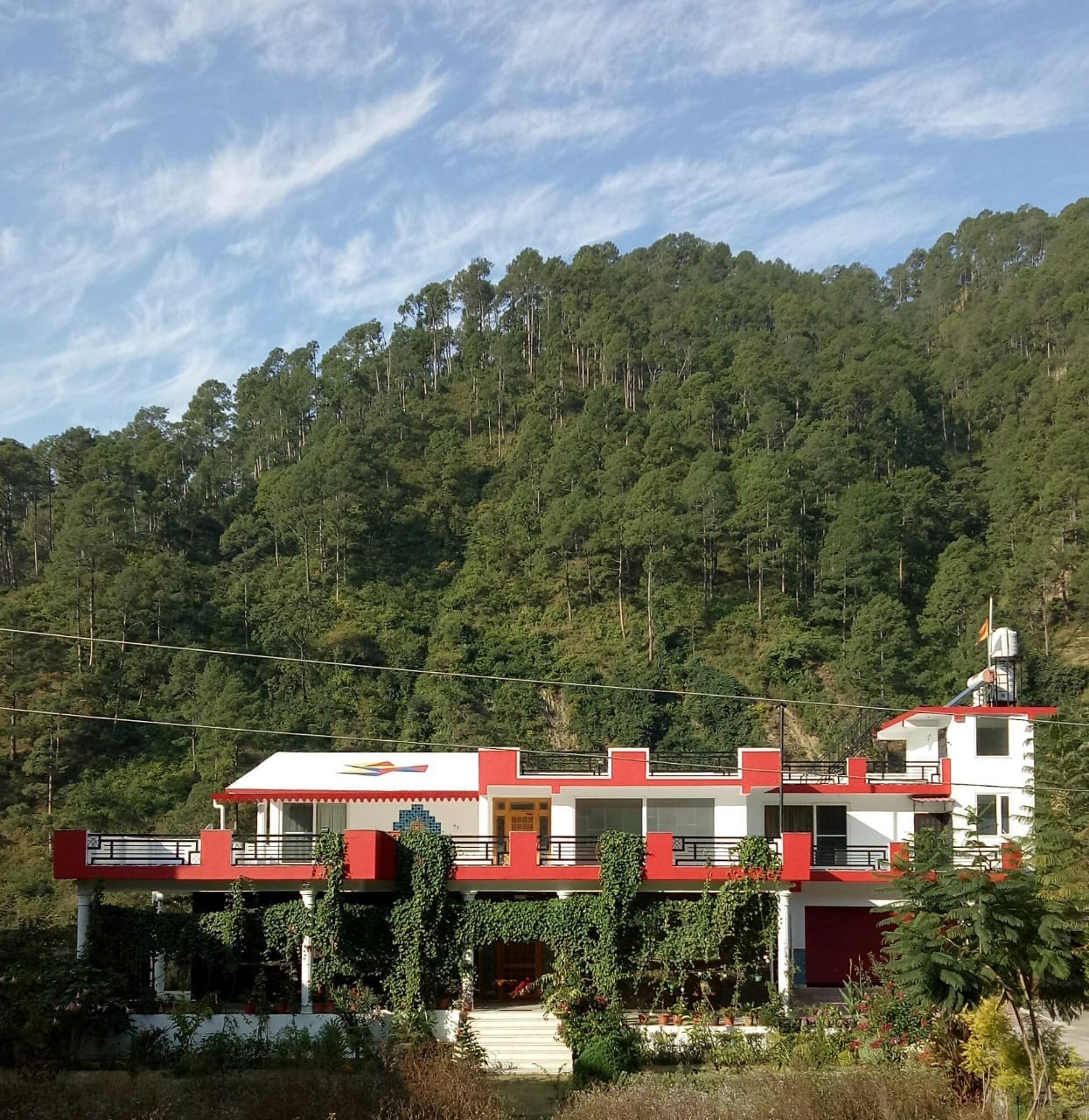
If you own or are buying a sloped plot anywhere in the Nainital-Bhimtal hills, a retaining wall isn't optional — it's often the difference between land that's safe to build on and land that isn't. Yet it's one of the least understood parts of hill construction, and one of the easiest things to underbudget for.
Here's a straightforward look at what goes into retaining wall construction here, and what actually drives the cost.
Why Retaining Walls Matter So Much in the Hills
On flat land, a boundary wall is mostly cosmetic. On a slope, a retaining wall is structural — it holds back soil, prevents erosion during monsoon, and protects your foundation (and your neighbor's property below you) from land movement. In the Nainital-Bhimtal belt, where monsoon rainfall is heavy and soil can shift significantly, a poorly built or undersized retaining wall is a genuine safety risk, not just a maintenance headache.
Stone Wall vs RCC Wall: Which Do You Need?
This is the most common question, and the honest answer is: it depends on your slope and soil.
Stone (dry or mortar-set) walls are the traditional hill approach — locally sourced material, generally lower cost, and well-suited to moderate slopes with stable soil. They're also more in keeping with traditional hill architecture if that matters to your project.
RCC (reinforced concrete) walls are stronger and better suited to steeper slopes, loose or sandy soil, or situations where the wall needs to bear significant load — for example, supporting a driveway or the edge of a building footprint. They cost more but offer more predictable long-term strength.
Many projects actually use a combination — RCC where the load or slope demands it, stone elsewhere — rather than treating it as an either/or decision.
What Actually Drives Retaining Wall Cost
- Height of the wall — cost doesn't scale linearly with height; taller walls need deeper foundations and more reinforcement, so a 6-foot wall isn't just double the cost of a 3-foot wall, it's often considerably more
- Length required — straightforward, but easy to underestimate before you've actually walked the site
- Soil type and drainage — sandy or loose soil often needs additional drainage work behind the wall to prevent water pressure building up, which adds cost but is not something you want to skip
- Site access — if machinery or material can't easily reach the spot, labor and transport costs go up
- Material choice — stone vs. RCC vs. a combination, as above
Don't Skip the Drainage
One of the most common mistakes on hill retaining walls is focusing entirely on the wall itself and ignoring drainage behind it. Without proper weep holes or drainage layers, water pressure builds up behind the wall during monsoon, which is exactly what causes retaining walls to fail — sometimes years after they were built, not immediately. A wall built without proper drainage may look fine for a season or two and then fail suddenly.
Getting an Accurate Estimate
Because cost depends so heavily on your specific slope, soil, and access, a real estimate requires walking the actual site — generic per-running-foot numbers you might see online often don't hold up once soil conditions and drainage requirements are factored in.
With 20 years of experience and 17+ completed projects across sloped hill terrain in Nainital and Bhimtal, we've built retaining walls as standalone projects and as part of larger homes and villas, and can advise honestly on what your specific plot actually needs — not a generic recommendation.
Have a sloped plot and need to know what kind of retaining wall it requires? Contact Rajwar Construction for a site visit and honest cost estimate.
This article offers general guidance on retaining wall construction in hill terrain. Every slope behaves differently — always get a site-specific assessment before finalising wall type, height, or budget.
Have a plot in theNainital region?
We start every project with a site visit and soil assessment — not a generic quote. Bring us your plot details and we'll walk you through exactly what it needs.