
How to Keep a Hill House Warm in Winter: Insulation and Heating for Nainital Homes
Most cold hill houses aren't short of heaters — they're losing heat faster than any heater can replace it. Here's where the heat goes, and how to keep it in.
Rajwar Construction
Nainital · Bhimtal · Bhowali
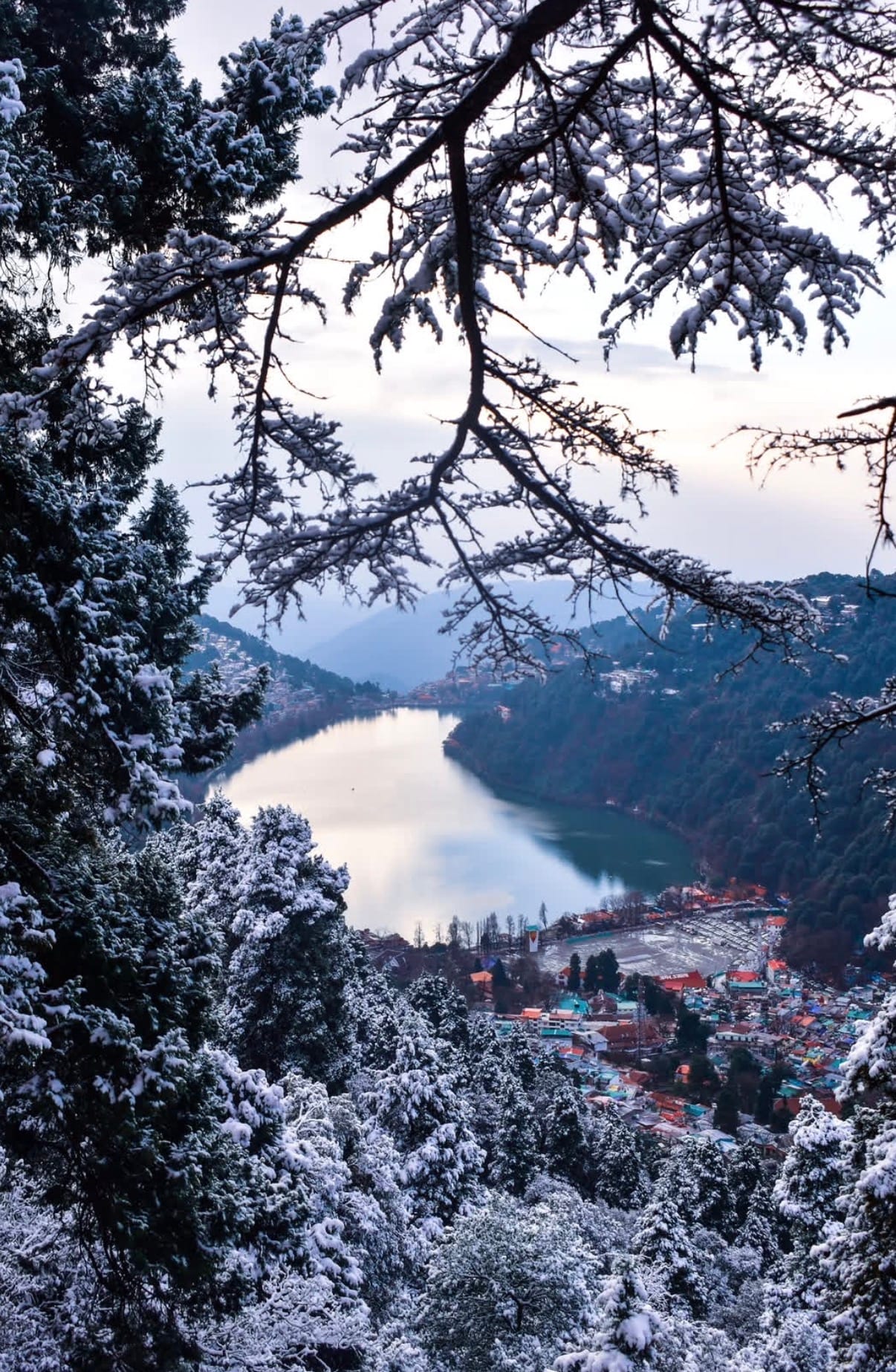
Winter in the Kumaon hills is beautiful — and, inside a poorly built house, bitterly cold. Nights in Nainital regularly drop close to or below freezing in December and January, higher places such as Mukteshwar run colder still, and many houses in the region were built with little thought for insulation. If you've ever sat in a room with a heater on full and still needed a jacket, the heater usually isn't the problem. Here's how to keep a hill house warm in winter, whether you're building new or improving the home you have.
Where a Hill House Loses Its Heat
Heat escapes through every surface, but not equally:
- The roof. Warm air rises, and an uninsulated RCC slab or thin roof sheet is often the biggest single source of heat loss — especially on the top floor.
- Windows. Single glazing loses heat far faster than an insulated wall, and large view windows are common in hill homes.
- Draughts. Gaps around doors, windows, pipes and ventilators let warm air out and cold air in — often more than people realise.
- Walls. Solid concrete and uninsulated masonry conduct heat outwards steadily, particularly on the north side and wherever walls are built against the hillside.
- Floors. Ground floors on cold earth, and floors above open parking or unheated spaces, draw heat away constantly.
Design Choices for a New House
If you're building, most of the warmth is decided on paper:
- 1Orientation. Put living spaces and larger windows on the south side to capture winter sun, and keep the north side more closed, with service spaces such as stores and staircases.
- 2Insulate the roof properly. Insulation above or below the roof slab — such as XPS or PUF boards, or mineral wool in a pitched roof — makes the biggest single difference.
- 3Choose double-glazed windows in well-sealed UPVC, thermally broken aluminium, or good-quality timber frames.
- 4Insulate external walls, especially north-facing and hillside walls — with an insulated cavity wall, insulated blocks, or insulation applied to the wall.
- 5Plan compact, zoned spaces. A tall, double-height living room looks spectacular and is very hard to heat. Keep bedrooms compact and closable.
- 6Add an entrance lobby so the front door doesn't let the room's heat escape every time it opens.
- 7Plan the heating at design stage. Underfloor heating pipes, radiator positions, chimney flues and electrical load all need to be built in, not added later.
Improving an Existing House
You don't need to rebuild to get most of the benefit. Roughly in order of value:
- 1Seal draughts around doors, windows, skirting, pipes and unused ventilators — cheap, quick and surprisingly effective.
- 2Insulate the roof or top-floor ceiling — with a false ceiling that has insulation above it, or insulation boards on the terrace under a protective layer.
- 3Upgrade the windows, or at least add secondary glazing and heavy lined curtains to the largest ones.
- 4Add rugs or timber flooring over cold stone and tile floors in living rooms and bedrooms.
- 5Insulate the coldest walls from the inside with insulated panels or a framed lining — detailed carefully so it doesn't trap condensation.
Heating Options Compared
| Heating option | Works well for | Things to know |
|---|---|---|
| Heat pump (an air conditioner with a heating mode) | Efficient everyday heating of individual rooms | Efficiency drops in very cold weather; choose a model rated for low temperatures |
| Underfloor heating | Even, comfortable warmth in a well-insulated house | Best planned during construction; slow to respond; running cost depends on the system |
| Oil-filled radiators and electric heaters | Occasional or supplementary heating | Simple and portable, but expensive to run as the main source |
| Wood-burning stove or fireplace | Ambience, and backup during power cuts | Needs a properly built flue, dry wood and good ventilation; open fireplaces are inefficient |
| Solar water heater | Hot water | Needs protection against freezing where temperatures fall below zero |
Whatever you choose, insulate first, then size the heating — a well-insulated house needs smaller, cheaper-to-run heating than a leaky one.
Don't Forget Ventilation
A tightly sealed house holds in heat — and moisture. Without ventilation, cooking, bathing and even breathing raise humidity, which condenses on cold surfaces and leads to mould. Use exhaust fans in kitchens and bathrooms and trickle vents in windows. Never use a charcoal angithi or an unflued gas heater in a closed room — they can produce dangerous levels of carbon monoxide. Our guide to seepage and damp walls covers condensation in more detail.
Other Winter Essentials
- Protect pipes and tanks from freezing in exposed locations, particularly at higher altitudes.
- Plan for power cuts. Winter outages happen in the hills, so an inverter or backup for essential circuits, and one non-electric heat source, are worth considering.
- Size the electrical connection for your heating load before committing to all-electric heating.
How Rajwar Construction Approaches It
We design hill homes for the winters they'll actually face — orientation, insulated roofs, good windows and heating planned from the first drawing. For existing homes, insulation, window and heating upgrades can be part of a renovation. If your house is colder than it should be, we're happy to take a look. For a broader view of designing for this terrain, see our house design ideas for hill plots.
Frequently Asked Questions
What is the best way to keep a house warm in Nainital?
Cut heat loss first — seal draughts, insulate the roof and upgrade windows — then add efficient heating, such as a heat pump or underfloor heating, sized for the insulated house.
Is underfloor heating worth it in the hills?
It gives very even, comfortable warmth and suits well-insulated homes, but it's best installed during construction and performs poorly in a house that loses heat quickly.
Do heat pumps work in Nainital's winter?
Modern heat pumps rated for low temperatures work well for most of the winter, though their efficiency drops on the coldest nights. Pair them with good insulation and a backup heat source.
Is it safe to use an angithi indoors?
Not in a closed room. Burning charcoal produces carbon monoxide, which can be fatal. Use it only with good ventilation, or choose electric or properly flued alternatives.
This article offers general guidance on insulation and heating for hill homes. Heating systems, electrical loads and flues should be designed and installed by qualified professionals.
Have a plot in theNainital region?
We start every project with a site visit and soil assessment — not a generic quote. Bring us your plot details and we'll walk you through exactly what it needs.