

Labour Contract vs Turnkey Construction: Which Is Better for Building Your House?
A labour-only contract looks cheaper on paper. Whether it actually is depends on how much time, knowledge and presence you can bring to the site — especially in the hills.
Rajwar Construction
Nainital · Bhimtal · Bhowali
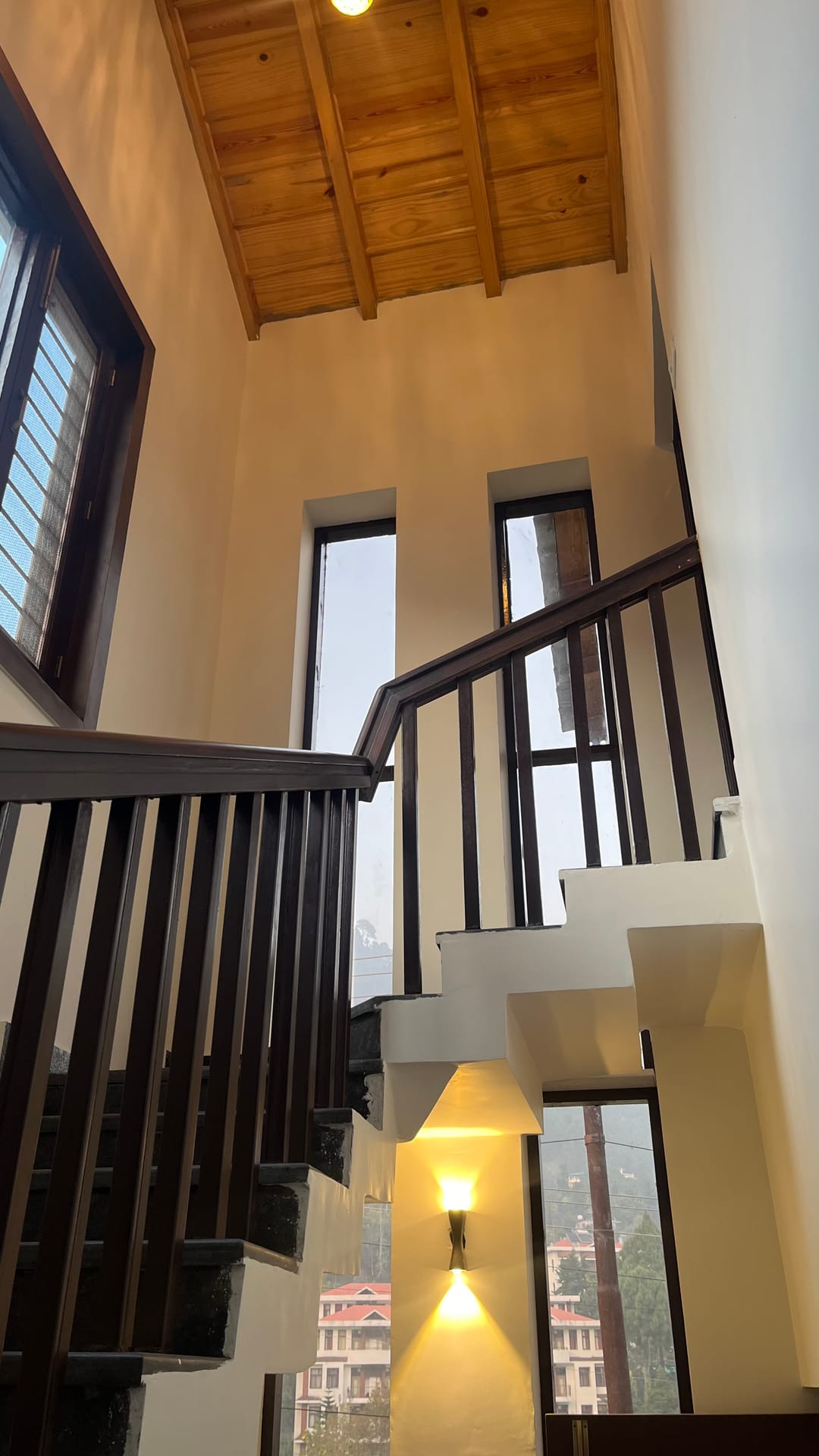
When you start collecting quotes for a house, you'll quickly run into two very different ways of pricing it. Some contractors quote for labour only, and you buy the materials. Others quote a single rate that covers materials and labour together. The labour contract vs turnkey construction decision affects your budget, your workload and how much risk you carry, so it's worth understanding properly before you sign anything.
What Each Option Actually Means
Labour-only contract (often called a labour rate or thekedari contract). The contractor supplies masons, carpenters, labourers and supervision. You buy every material — cement, steel, sand, aggregate, bricks or blocks, tiles, fittings — and make sure it reaches the site on time.
Turnkey contract (material plus labour). The contractor supplies both materials and labour at an agreed price, usually a rate per sq ft of built-up area or an itemised bill of quantities. You approve specifications and pay against milestones; the contractor handles procurement, storage and delivery.
Hybrid contract. A common middle path: the contractor supplies structural materials and labour, while you choose and buy finishing items such as tiles, sanitaryware, fittings and doors — or pay for them against allowances written into the contract.
Side-by-Side Comparison
| Factor | Labour-only contract | Turnkey contract |
|---|---|---|
| Quoted price | Lower, since materials are excluded | Higher, since materials are included |
| Who buys materials | You | The contractor |
| Your time on site | High — frequent visits and decisions | Lower — milestone checks and approvals |
| Cement and steel price risk | Yours | The contractor's, within the contract terms |
| Wastage and theft risk | Largely yours | Largely the contractor's |
| Accountability for quality | Split, so blame is hard to assign | A single point of responsibility |
| Best suited to | Owners who live nearby and know construction | Owners who are remote, busy or new to building |
Is a Labour Contract Really Cheaper?
On paper, yes. Labour typically accounts for roughly a quarter to a third of a house's construction cost, so a labour-only quote looks much smaller. But the real comparison is between the labour quote plus everything you now have to manage yourself and the turnkey price. Costs that often surprise owners on labour contracts include:
- Wastage and over-ordering — without experienced material planning, it's easy to buy too much, or the wrong specification
- Idle labour — if materials arrive late, you often still pay for the crew's time
- Retail rather than trade prices — contractors buying in volume, with long-standing supplier relationships, often get better rates than a one-time buyer
- Transport — arranging many small deliveries costs more than planned bulk loads
- Quality disputes — when a slab cracks or a wall seeps, a labour contractor can reasonably argue that the material was at fault, which leaves you with little recourse
For a hands-on owner who lives near the site and has time and some construction knowledge, a labour contract can genuinely save money. For everyone else, the saving tends to shrink — or reverse — once these costs are counted.
Why the Gap Widens in the Hills
In Nainital, Bhimtal or Mukteshwar, the difference between the two options grows:
- Material logistics are harder. Narrow roads, vehicle restrictions and last-mile carrying turn every delivery into a planning exercise. We explain why in our piece on construction material transport.
- Delays compound. A missed cement delivery during a short dry window can push slab work into the monsoon.
- Many owners are outstation. If you're managing from Delhi, Mumbai or abroad, a labour-only contract effectively makes you the site's procurement manager from hundreds of kilometres away.
- Specifications matter more. Seismic detailing, waterproofing and drainage leave little room for substituted materials.
How to Choose
A labour-only contract can suit you if you:
- Live near the site and can visit several times a week
- Understand material grades and quantities, or have a trusted engineer checking them
- Have the time to source, negotiate and schedule deliveries yourself
A turnkey contract is usually the better fit if you:
- Are building from another city or from abroad
- Want one party accountable for cost, quality and timeline
- Prefer a fixed, itemised price you can compare between contractors
If You Choose Turnkey, Protect Yourself
A turnkey contract only works if its scope is precise. Make sure it includes:
- A specification schedule — cement type, steel grade (for example Fe 500D), and the brands and ranges of tiles, fittings, wiring and paint
- An itemised bill of quantities, or at least a breakdown of structure, finishes and external works
- Allowances for items you'll choose later, with a clear rule for what happens if you pick something more expensive
- A rate list for extra work, agreed before construction starts
- Payments tied to completed milestones, not calendar dates
Our house construction agreement checklist walks through every clause worth having.
How Rajwar Construction Works
For hill projects, we usually recommend a turnkey or hybrid arrangement — particularly for clients building from another city. We run our own material transport, work with local suppliers we've known for years, and give every client an itemised quote that separates structure, site development and finishing. If you'd rather choose some finishes yourself, we can set clear allowances for them in the contract.
Frequently Asked Questions
What is a labour rate contract in house construction?
It's an arrangement in which the contractor provides only labour and supervision, usually priced per sq ft, while the owner buys and supplies all the materials.
Is turnkey construction more expensive?
The quote is higher because it includes materials, but the total cost is often similar or lower once wastage, idle labour, retail material prices and your own time are counted.
Can I buy only some of the materials myself?
Yes. A hybrid contract — where the contractor handles structural materials and you choose finishing items — is common, and works well as long as the allowances are clearly defined in writing.
This article offers general guidance on construction contract types. Rates, terms and suitability vary by project — get itemised quotes, and have any contract reviewed before you sign it.
Have a plot in theNainital region?
We start every project with a site visit and soil assessment — not a generic quote. Bring us your plot details and we'll walk you through exactly what it needs.