
Seepage and Damp Walls in Hill Houses: Causes, Fixes and When to Call a Builder
Most seepage fixes fail because they treat the stain, not the source. Here's how to tell what's causing damp walls in a hill house — and which fixes actually last.
Rajwar Construction
Nainital · Bhimtal · Bhowali
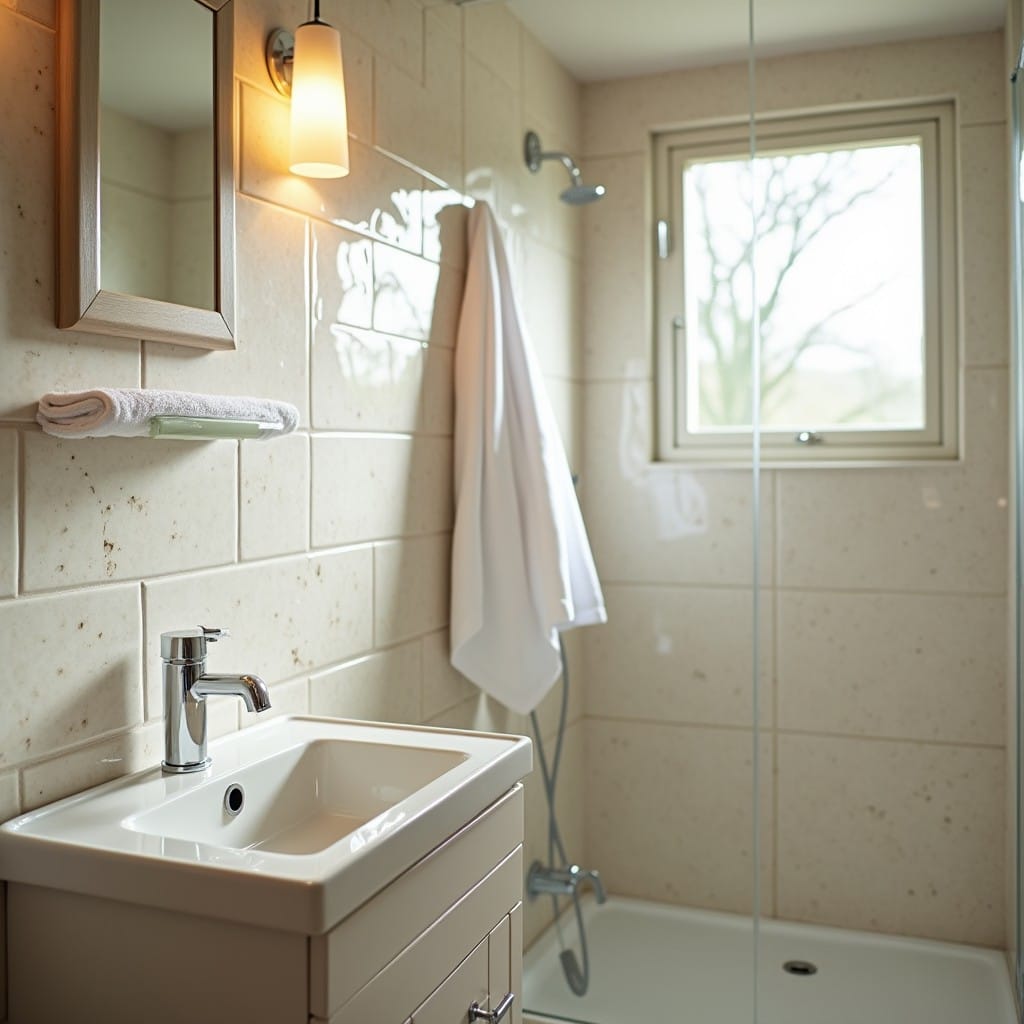
Peeling paint, white powdery salt on the plaster, a musty smell in the bedroom, black mould behind the wardrobe — seepage and damp walls are among the most common complaints we hear from homeowners in Nainital, Bhimtal and Mukteshwar. The most common mistake is repainting over it, or applying a "waterproof" coat on the inside, only to watch it come back after the next monsoon. Lasting fixes start with finding where the water is actually coming from.
Why Hill Houses Suffer More
Hill houses face moisture from more directions than plains houses do:
- Heavy monsoon rain, often wind-driven, hitting walls almost horizontally
- Groundwater moving downhill through the slope — and straight into any wall built against it
- Long, cold winters that cause condensation on cold interior surfaces
- Mist and cloud that can keep walls from drying out for weeks at a time
Step One: Identify the Type of Damp
| What you see | Likely cause | Where to look |
|---|---|---|
| A damp band along the bottom of walls, with a tide mark and white salt deposits | Rising damp from the ground | A missing or failed damp-proof course (DPC) |
| Damp patches that grow after rain, often on exposed walls | Rain penetration | Cracks in plaster, poor pointing, failed sill or parapet details |
| Damp on a wall that faces the hillside, worse during and after the monsoon | Groundwater from the slope | No drainage or waterproofing behind the earth-facing wall |
| Damp or stains on ceilings, especially on the top floor | Roof or terrace leakage | Terrace waterproofing, drain outlets, parapet junctions, roof flashing |
| A damp patch near a bathroom or kitchen, present in every season | Plumbing leak | Concealed pipes, joints, floor traps and tile grout |
| Black mould in corners, behind furniture and around windows in winter | Condensation | Poor ventilation, cold walls, clothes drying indoors |
A simple test helps narrow it down. If a patch gets worse after rain, suspect rain penetration, roof leakage or groundwater. If it stays the same all year, suspect plumbing. If it appears mainly in cold weather — in corners and behind furniture — suspect condensation.
The Fixes That Actually Work
Rising Damp
The permanent fix is a working damp-proof course. In existing walls, one can be retrofitted by injecting a chemical DPC into holes drilled near floor level, then replacing the salt-contaminated plaster with a breathable, salt-resistant plaster. Also make sure the ground and paving outside sit well below the internal floor level.
Rain Penetration
Repair cracks, rake out and re-point masonry joints, give window sills proper drip grooves, and seal gaps around frames. On exposed walls, a good-quality exterior waterproof coating over sound plaster helps. Check that parapets and copings shed water away from the wall, not into it.
Groundwater From the Slope
This is the most hill-specific cause, and the one most often misdiagnosed. A wall that holds back earth needs waterproofing on the earth side and drainage behind it — a gravel drainage layer and a perforated pipe to carry water away, with working weep holes where the wall is a retaining wall. Treating only the inside face won't hold back water under pressure. On an existing house, this usually means excavating along the wall to reach its outside face — disruptive, but it's the fix that lasts. Keeping the catchwater drains uphill of the house clear also means less water reaches the wall in the first place.
Roof and Terrace Leaks
Flat terraces are the most common source of top-floor seepage. Check that the terrace slopes towards its drain outlets, clear any blocked outlets, and repair or replace the waterproofing — paying particular attention to the junction between the terrace and the parapet, where many leaks start. Pitched roofs need intact sheets or tiles, sound flashing around chimneys and walls, and clear gutters.
Plumbing Leaks
Pressure-test the lines to find the leak, repair the pipe or joint, and re-grout or re-seal tiles in wet areas. In new construction, waterproofing under bathroom floors before tiling prevents most of these problems.
Condensation
Improve ventilation with exhaust fans in bathrooms and kitchens, keep furniture slightly away from external walls, avoid drying clothes indoors without ventilation, and keep rooms steadily warm rather than heating them in short bursts. A dehumidifier helps in holiday homes that stay closed for long periods. Longer term, insulating cold walls and ceilings reduces condensation at the source — see how to keep a hill house warm in winter.
Mistakes That Make Damp Worse
- Applying waterproof paint or putty on the inside face. It hides the stain briefly while trapping moisture in the wall, which then pushes out somewhere else.
- Repainting before the wall has dried. New paint over damp plaster blisters and peels.
- Covering old stone or mud walls in dense cement plaster. These walls need to breathe; sealing them can drive moisture higher up the wall.
- Fixing the symptom room by room without checking the drainage and the roof outside.
When to Fix It, and When to Call a Builder
The best time for exterior damp repairs in this region is the dry season — after the monsoon, from around October, or before it, from March to May — so walls can dry out and materials can cure. Our pre-monsoon maintenance checklist covers the routine checks.
Call a professional if you see:
- Cracks wider than a hairline, or cracks that are growing
- Damp on a wall that holds back earth, especially if it's bulging
- Ceiling leaks that return after repairs
- Damp combined with sagging floors, rotting timber, or rusting steel showing through concrete
How Rajwar Construction Can Help
We carry out seepage diagnosis and repair across Nainital, Bhimtal and Mukteshwar — on houses we built and houses we didn't. We start by tracing the source rather than treating the stain, and then quote for the fix that addresses it, whether that's a new terrace membrane, a drainage trench behind a hillside wall, or simply better ventilation.
Frequently Asked Questions
Why do my walls get damp every monsoon?
Usually because of rain getting in through cracks and joints, roof or terrace leakage, or groundwater pushing against walls built into the slope. Identify which it is before choosing a fix.
Does waterproof paint on the inside stop seepage?
No. It may hide the stain for a while, but it traps moisture in the wall. Seepage has to be stopped at its source, which is usually on the outside.
When is the best time to fix seepage in the hills?
The dry months after the monsoon, from around October, or before it, from March to May, when walls can dry out and repairs can cure properly.
How do I stop mould in a hill house during winter?
Improve ventilation, avoid drying clothes indoors, keep furniture away from cold external walls, and consider insulation and a dehumidifier for rooms that stay closed.
This article is general guidance. Persistent damp can point to structural or drainage problems — have significant or recurring seepage assessed by a qualified professional.
Have a plot in theNainital region?
We start every project with a site visit and soil assessment — not a generic quote. Bring us your plot details and we'll walk you through exactly what it needs.