
Vastu for Hill Homes in Nainital, Bhimtal & Mukteshwar: What's Actually Practical
Vastu was developed with flat, regular plots in mind — which creates real tension on a slope. Here's where compromise works, and where safety has to win.
Rajwar Construction
Nainital · Bhimtal · Bhowali
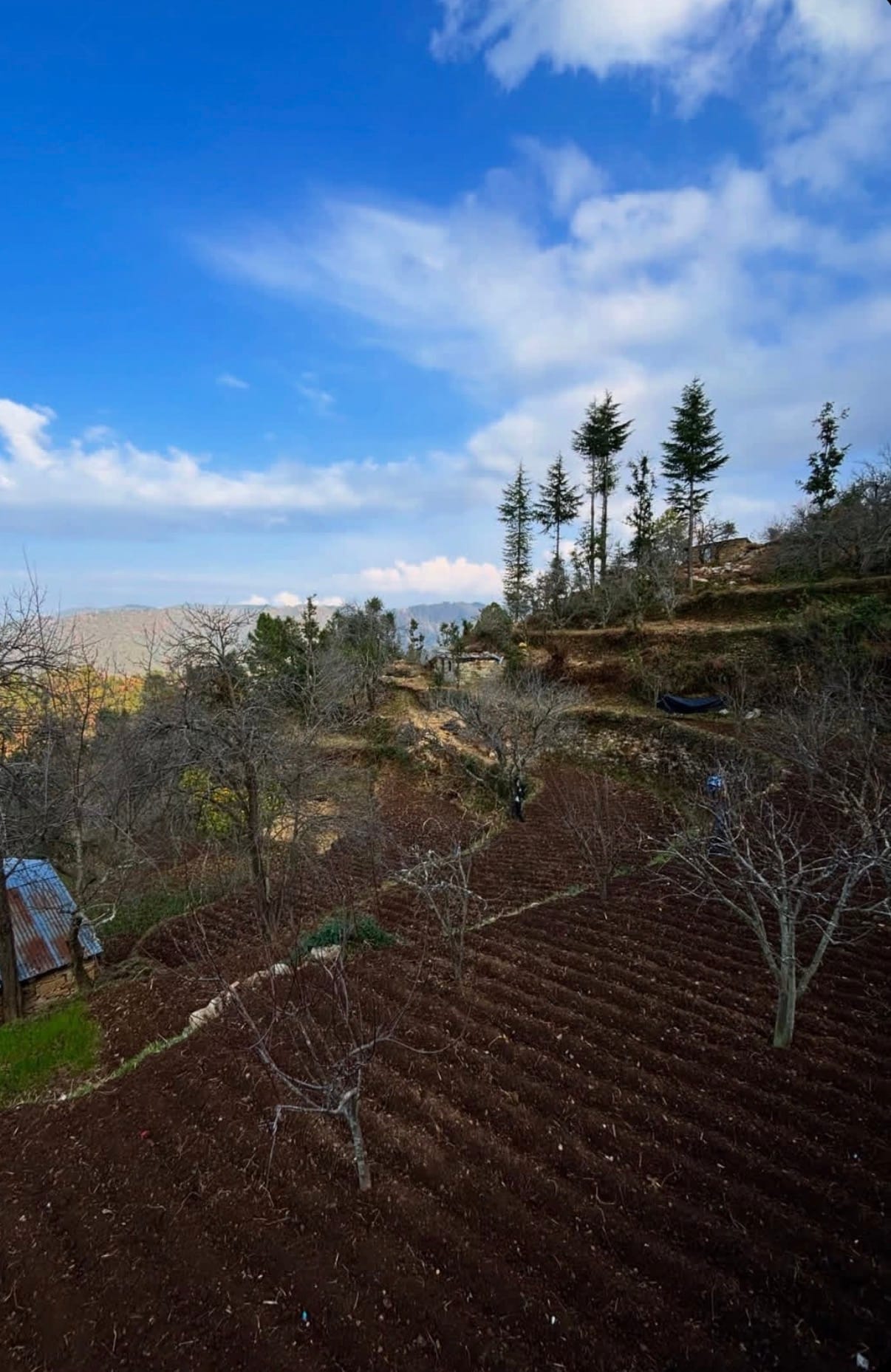
Vastu Shastra principles were developed with flat, regular plots in mind — which creates a genuine, common tension when applying them to a sloped hill plot in Nainital, Bhimtal, or Mukteshwar. Here's how to think about that balance practically, rather than treating it as an unsolvable conflict.
Why Vastu and Hill Slopes Sometimes Pull in Different Directions
Classical Vastu guidance often specifies ideal directions for entrances, kitchens, and bedrooms, along with a preference for the north-east corner sitting lower than the south-west. On a naturally sloped hill plot, the land's own gradient may already run in a direction that doesn't match this ideal — and forcing the land to conform (through extensive cutting and re-grading) adds significant cost and can undermine the slope stability principles we've covered elsewhere.
Where Compromise Works Well
Entrance and room placement can usually still follow Vastu preferences, even on a sloped plot, since these depend on the house's orientation and layout rather than the raw ground gradient — a good architect can generally position the entrance, kitchen, and main bedroom according to Vastu guidance regardless of which direction the plot slopes.
The north-east-lower principle is the hardest to satisfy literally on a slope, since the land's actual gradient may run in any direction. Many hill homeowners address this symbolically rather than literally — through interior level changes, water features, or garden placement in the north-east zone, rather than regrading the entire plot.
Where We'd Recommend Prioritising Slope Stability Over Literal Vastu Compliance
If achieving a specific Vastu principle would require extensive, structurally risky cutting or regrading — creating an unstable slope purely to match a directional preference — we'd recommend treating this as a case for compromise, not literal compliance. A structurally unsound house doesn't serve anyone well, regardless of how precisely it follows Vastu guidance. Many Vastu consultants experienced with hill terrain will offer exactly this kind of practical middle ground.
A Practical Approach for Hill Plots
- 1Get your Vastu consultant and your structural engineer talking to each other early — not after the design is finalised, and not in isolation from one another
- 2Prioritise entrance, kitchen, and bedroom placement, which are usually achievable regardless of slope direction
- 3Treat literal north-east-lower compliance as a directional guide, not an absolute on a genuinely sloped plot — symbolic or partial solutions (water features, garden zones) are a reasonable middle ground
- 4Never let a Vastu preference override a genuine slope-stability requirement — a retaining wall or foundation decision driven by safety shouldn't be compromised for directional reasons
What This Looks Like in Practice Across Nainital, Bhimtal & Mukteshwar
Plots vary significantly in gradient and orientation across all three towns — some Bhimtal and Mukteshwar plots have gentler slopes that accommodate more Vastu preferences naturally, while steeper plots (common in parts of Nainital town and further into Mukteshwar's orchard belt) require more deliberate compromise. This is genuinely plot-specific, which is why we recommend involving both a Vastu consultant and structural engineer at the site-assessment stage, not after a design is already drawn up.
How Rajwar Construction Approaches This
We're glad to work alongside a Vastu consultant of your choosing, bringing site and slope realities into that conversation from the start so you get a design that respects Vastu principles as fully as your specific plot reasonably allows — without compromising structural safety to do so.
The Bottom Line
Vastu and hill-slope construction aren't fundamentally incompatible, but they do require thoughtful compromise on a genuinely sloped plot — full literal compliance on every principle isn't always realistic without unacceptable structural cost. If Vastu compliance matters to you, raise it at the very start of the design conversation, not after the plans are drawn.
This article offers general guidance on balancing Vastu principles with hill-terrain construction and is not a substitute for consultation with a qualified Vastu expert and structural engineer for your specific plot.
Have a plot in theNainital region?
We start every project with a site visit and soil assessment — not a generic quote. Bring us your plot details and we'll walk you through exactly what it needs.